Causes of a Bulging Disc

A bulging disc occurs when a spinal disc extends beyond its normal boundary, placing pressure on nearby nerves and surrounding tissues. This condition often develops from age-related spinal changes, repetitive strain, poor posture, or injury that affects the spine. Symptoms include back pain, stiffness, numbness and tingling, in addition to muscle weakness and discomfort that may travel into the arms or legs, depending on the affected area. Risk factors include heavy lifting, sedentary lifestyle, excess body weight, and physically demanding work. Chiropractic care focuses on improving spinal alignment and supporting healthy nerve function. Gentle adjustments and supportive care may help relieve pressure on irritated nerves and improve mobility. If you have back pain, it is suggested that you consult a chiropractor who can accurately diagnose and treat bulging and herniated discs.

Bulging and herniated discs are common spinal conditions that can lead to persistent pain, discomfort, and limited mobility. A disc bulge occurs when the outer layer of the spinal disc begins to protrude, while a herniated disc involves a rupture that allows the inner gel-like core to seep out. Both conditions often compress nearby nerves, resulting in pain, tingling, numbness, and muscle weakness that can affect the back, legs, and even arms.
From a chiropractic perspective, addressing disc bulges and herniations focuses on reducing pressure on the spinal nerves and restoring proper spinal alignment. Chiropractors employ gentle, targeted adjustments designed to alleviate nerve compression and improve spinal mechanics. By correcting misalignments, chiropractic care can help reduce inflammation, enhance blood flow, and promote natural healing processes. This holistic approach aims to relieve pain without invasive procedures or medication.
For many patients, complementary therapies like spinal decompression, therapeutic exercises, and lifestyle guidance support long-term relief and function. Chiropractic care offers a non-surgical, drug-free path to managing disc issues, focusing on enhancing overall spinal health and reducing the likelihood of recurring symptoms. Each treatment plan is tailored to the patient’s specific needs and goals, ensuring an effective, individualized approach.
1.     Is chiropractic treatment safe for herniated discs?
Generally, chiropractic care is safe for herniated discs when performed by a licensed professional who assesses the condition carefully. Mild adjustments or specific techniques are often used to avoid further injury.
2.     How long does it take to see improvement?
Improvement times vary, but many patients notice reduced pain and better mobility within a few weeks of consistent chiropractic care, depending on the disc’s severity and other factors.
If you have any questions please feel free to contact our office located in Red Wing, MN
 

Read more about Bulging and Herniated Discs

Back Pain Causes and Symptoms

Back pain can affect the lower, middle, or upper back and make everyday activities such as bending, lifting, or sitting uncomfortable. This pain may develop from muscle strain, joint irritation, poor posture, repetitive movements, or sudden injuries. People with back pain may notice stiffness, aching, sharp or shooting pain, limited motion, or tension in the surrounding muscles. Numbness, tingling, or weakness may also occur if nerves in the spine are affected. When the spine and joints are not moving properly, surrounding muscles and tissues may endure extra stress, making pain worse and slowing recovery. A chiropractor focuses on how the spine, joints, and nervous system work together to support healthy movement. Chiropractic treatment may help restore spinal motion, reduce stress on irritated areas, and support better function in the body. Do not ignore ongoing back pain. It is suggested that you schedule an appointment with a chiropractor for an evaluation and appropriate treatment.

Back pain 


Finding Lasting Relief for Back Pain Through Chiropractic Care

Back pain is one of the most common issues people face, often caused by poor posture, muscle strain, or spinal misalignment. This pain can range from a dull ache to sharp, debilitating discomfort, affecting daily life and mobility. Chiropractic care offers a non-invasive, drug-free approach to managing and relieving back pain by addressing its root causes.

Chiropractors assess spinal alignment and look for areas of tension, misalignment, or restricted movement that may contribute to back pain. Using targeted spinal adjustments, chiropractors help realign the vertebrae, relieving pressure on nerves, and reducing inflammation. These adjustments encourage natural healing, reduce muscle tension, and improve overall spinal function, which can lead to lasting relief.

In addition to adjustments, chiropractors often recommend exercises to strengthen core and back muscles, supporting proper posture and spinal alignment. They may also offer guidance on adjustments for daily activities to prevent further strain. Lifestyle recommendations, such as stretches, proper lifting techniques, and movement tips, help patients maintain a healthy back.


How Often Should I See a Chiropractor for Lower Back Pain?

Frequency depends on the severity of pain, but many patients benefit from regular visits to maintain alignment and pain relief.

Why Choose Chiropractic Care for Back Pain?

Chiropractic care provides a comprehensive approach to managing back pain, promoting long-term relief and better spinal health without reliance on medications. Regular visits can lead to improved mobility, reduced pain, and a healthier, more active life.

How Quickly Can I Expect Relief from Back Pain with Chiropractic Care?

Relief varies, but many patients experience reduced pain and improved function after just a few sessions

If you have any questions, please feel free to contact our office located in Red Wing, MN

Read more about Back Pain

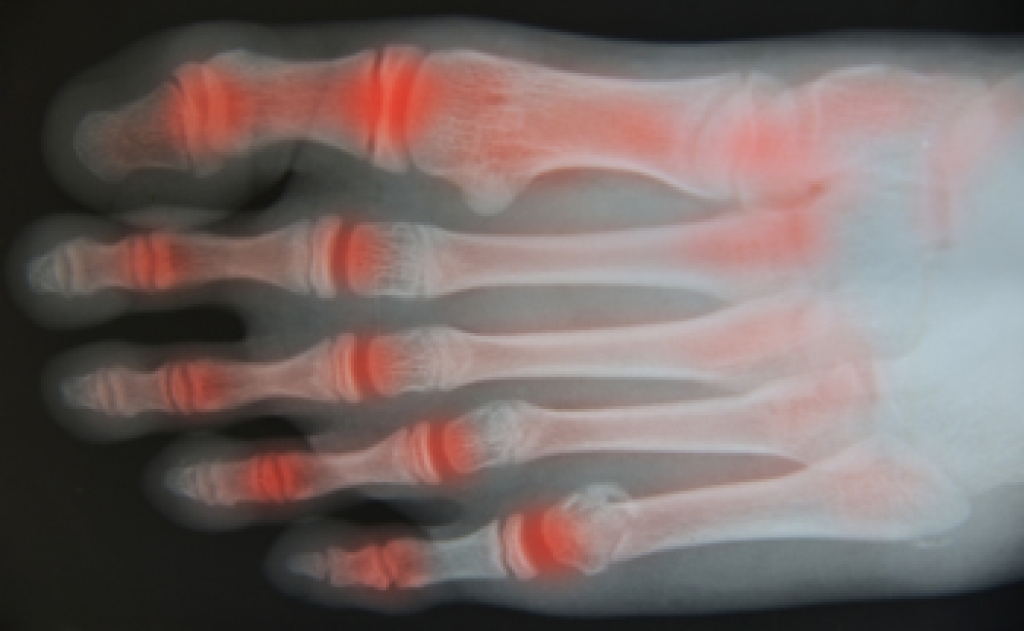
Effective Foot Pain Relief

Foot pain may stem from poor footwear, overuse, or other underlying conditions. Non-invasive and drug-free care can restore comfort and mobility.

Contact us today for effective foot pain treatment.

All About TMJ

Temporomandibular joint disorder, or TMJ, can cause jaw pain, clicking or popping when opening and closing the mouth, headaches, and difficulty chewing. Common causes include jaw misalignment, tension in the neck and shoulder muscles, and stress on the spine that affects nerve function. Some people also feel stiffness, ear pain, or facial discomfort that makes daily activities like talking or eating uncomfortable. When the spine and joints are not moving properly, nerves and muscles may not work efficiently, which can add to jaw tension. A chiropractor can help by checking the spine and jaw, improving joint motion, and easing nerve stress so the jaw can move more freely. This type of treatment may support better jaw function, reduce discomfort, and improve daily activity. If you are experiencing similar symptoms, it is suggested that you contact a chiropractor to schedule an appointment and learn how chiropractic care can help.

TMJ: Temporomandibular Join Disorders

Temporomandibular Joint, or TMJ disorders, affect the hinge connecting the jaw to the skull, leading to pain and difficulty with jaw movement. Common causes include teeth grinding, jaw clenching, injury, or arthritis. Symptoms often include jaw pain, clicking or popping sounds when opening the mouth, headaches, and difficulty chewing. If left untreated, TMJ disorders can significantly impact daily activities, including eating and speaking.

Managing TMJ disorders typically involves lifestyle adjustments, such as stress reduction to minimize clenching and grinding, along with gentle jaw exercises to improve mobility. In some cases, wearing a night guard may help protect the joint from further strain.

Chiropractic care offers a unique approach to TMJ relief by focusing on the alignment of the jaw and neck. Chiropractors use gentle adjustments to reduce tension in the surrounding muscles and improve joint function. Techniques like myofascial release may be applied to alleviate tightness in the face and jaw area. By addressing related spinal or muscular imbalances, chiropractic care helps reduce pain and promote overall jaw health.

1. Can TMJ problems cause dizziness or vertigo?

Yes, TMJ dysfunction can affect the inner ear through muscle tension or nerve involvement, leading to balance issues or dizziness. Chiropractic adjustments to the neck and jaw can address alignment issues that contribute to dizziness.

2. Can chewing on one side worsen TMJ disorders?

Yes, consistently chewing on one side can overwork one side of the jaw, leading to imbalances and further TMJ issues. A chiropractor can restore balance to the jaw and surrounding muscles, reducing the impact of uneven chewing.

For additional information, please contact our office located in Red Wing, MN
 

Read more about TMJ: Temporomandibular Joint Disorders

Relief After a Car Accident Injury

Car accident injuries can affect the neck, back, shoulders, and joints. Common types include whiplash, back strain, joint sprain, and soft tissue injury. Symptoms may include neck or back pain, headaches and stiffness, in addition to swelling, numbness, or trouble moving. These injuries can happen even in low-speed crashes, because the body is forced beyond normal motion. Impact forces, seat belts, and airbags can suddenly strain muscles and joints and upset body balance. Muscle tension and joint stress can continue long after the crash, and can affect sleep and daily tasks. A chiropractor can check how the spine and joints move and provide treatment to improve normal motion, reduce joint stress, and help the body to heal. If you are experiencing pain after a recent car accident, it is suggested that you schedule an appointment with a chiropractor or seek effective treatment and relief solutions.

Auto accidents can disrupt your life in an instant, often leaving behind injuries that require careful attention. From neck pain due to whiplash to fractures and joint strain, the physical toll of a collision can range from mild discomfort to severe limitations. Even seemingly minor accidents can lead to soft tissue injuries or concussions, with symptoms like headaches, stiffness, swelling, or reduced mobility appearing days after the event.

Addressing these injuries promptly is key to preventing long-term complications. Chiropractic care offers a non-invasive path to recovery, focusing on realigning the body, reducing inflammation, and easing pain. By targeting the root cause of discomfort, chiropractors can help restore range of motion and improve overall well-being. Whether you’re dealing with lingering aches or recovering from more serious injuries, personalized chiropractic treatment plans can support your journey to recovery. Take the first step toward healing and schedule a consultation today.

1.  Can I see a chiropractor if I’ve already seen a doctor?

Yes, chiropractic care complements traditional medical treatments. It focuses on holistic recovery and relieving musculoskeletal issues.

2.  What should I expect during my first chiropractic visit after an accident?

Your chiropractor will perform a thorough assessment, discuss your symptoms, and create a personalized treatment plan.

If you have any questions please feel free to contact our office located in Red Wing, MN
 

Read more about Auto Accidents and Injuries
scroll to top